
Category: Investment Philosophy
-

A Brain Exercise in Performance Metrics
The text explores Fundamental Metric Relativity, highlighting the importance of comparing a company’s metrics to assess their significance based on company size. It emphasizes that debt metrics hold greater significance in small-cap stocks than in large-cap ones. The narrative uses visual metaphors, illustrating how size affects metric relevance and understanding company performance.
-

Fundamental Logic
The text contrasts two hypothetical traffic scenarios to illustrate stock analysis fundamentals. Predictable rush hour traffic parallels stocks with strong fundamentals, while unpredictable Saturday traffic reflects stocks driven by sentiment. The author emphasizes the importance of fundamentals in evaluating stock worth and advises hiring a knowledgeable financial advisor or learning stock analysis.
-

You’ve Earned This
The author acknowledges the recent challenges in the stock market, congratulating readers on their perseverance during volatility. Emphasizing the importance of patience and sound decision-making, they liken market fluctuations to a rollercoaster and remind investors that volatility is a constant in investing.
-

Broaden Your Mind to Broaden Your Growth
Legendary portfolio manager Ken Heebner taught that one should not invest in what they don’t understand. However, broadening knowledge about various sectors can enhance investment opportunities. This perspective applies to Bitcoin, which requires understanding to make informed decisions. With its volatile nature and potential for growth, Bitcoin may soon gain regular acceptance, similar to the…
-

“Luck is a Dividend of Sweat” – Ray Kroc
The author shares personal stories to emphasize that success in both athletics and investing requires dedication and effort. Highlighting her son’s soccer journey and investing strategies, she underscores the importance of hard work, persistence, and fundamental analysis over luck.
-

Conjectural Conundrum
The author expresses optimism about the stock market on May 2, 2025, reflecting on a valuation metric favored by Warren Buffet. While acknowledging that low valuations suggest potential growth, they caution against selling solely due to high valuations. They advocate for long-term investment strategies and emphasize the inevitability of market corrections.
-

The Future Isn’t Here Yet
Tesla is set to lead in humanoid robot manufacturing, addressing the rising need for domestic robotic labor. While the company’s future potential is noted, current investor sentiment reflects stagnant TSLA share prices. The focus should be on capturing immediate growth rather than waiting for speculative long-term gains, prioritizing assets with current potential for profit.
-

Anti-Diversification
Mark Cuban’s assertion that diversification is for idiots misses the nuance of stock analysis expertise. While diversification can dilute growth potential, it also mitigates risk, making it suitable for average investors. The Mainsail Equity Model advocates focusing on fewer stocks for greater growth. Diversification’s value varies based on individual investor goals.
-
Playing the Hand You’re Dealt
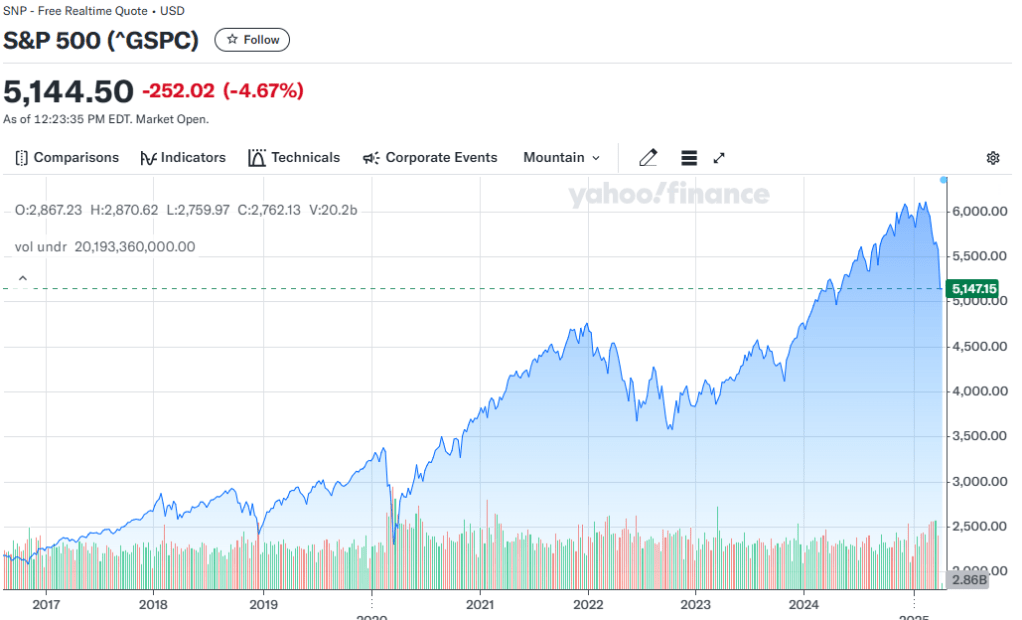
The author discusses the potential impacts of political policies on market growth, specifically under Trump’s presidency. They emphasize the importance of objective investment strategies, regardless of political bias, and highlight the effects of the 2017 Tax Cuts and Jobs Act on corporate earnings. Historical data suggests long-term investment yields significant returns despite market volatility.
-

Sick Chickens, Healthy Consumers
The article emphasizes that public opinion does not accurately reflect economic health, as it relies on data and financial indicators. High egg prices, often seen negatively, actually indicate consumer spending and economic strength. With 68% of the U.S. economy driven by consumer spending, strong corporate earnings result from continued consumer activity despite high prices.

