
Author: Alyse Clark
-

Conjectural Conundrum
The author expresses optimism about the stock market on May 2, 2025, reflecting on a valuation metric favored by Warren Buffet. While acknowledging that low valuations suggest potential growth, they caution against selling solely due to high valuations. They advocate for long-term investment strategies and emphasize the inevitability of market corrections.
-

The Future Isn’t Here Yet
Tesla is set to lead in humanoid robot manufacturing, addressing the rising need for domestic robotic labor. While the company’s future potential is noted, current investor sentiment reflects stagnant TSLA share prices. The focus should be on capturing immediate growth rather than waiting for speculative long-term gains, prioritizing assets with current potential for profit.
-

Two Pieces of Good News
Netflix has seen a 17% year-to-date increase, with analysts optimistic about a 20% price target rise following strong earnings. This positive outlook qualifies it for Northshore Wealth Management’s Mainsail Equity Model. In contrast, Tesla, despite potential, doesn’t meet the criteria for inclusion in this focused growth strategy.
-

Anti-Diversification
Mark Cuban’s assertion that diversification is for idiots misses the nuance of stock analysis expertise. While diversification can dilute growth potential, it also mitigates risk, making it suitable for average investors. The Mainsail Equity Model advocates focusing on fewer stocks for greater growth. Diversification’s value varies based on individual investor goals.
-

We Stay the Course
The writer reflects on the challenges of market turbulence and shares their commitment to guiding clients through investment difficulties. They emphasize the importance of patience and the potential for growth amidst challenges, encouraging clients to remain calm and focused on long-term strategies while navigating current market conditions for recovery.
-
Playing the Hand You’re Dealt
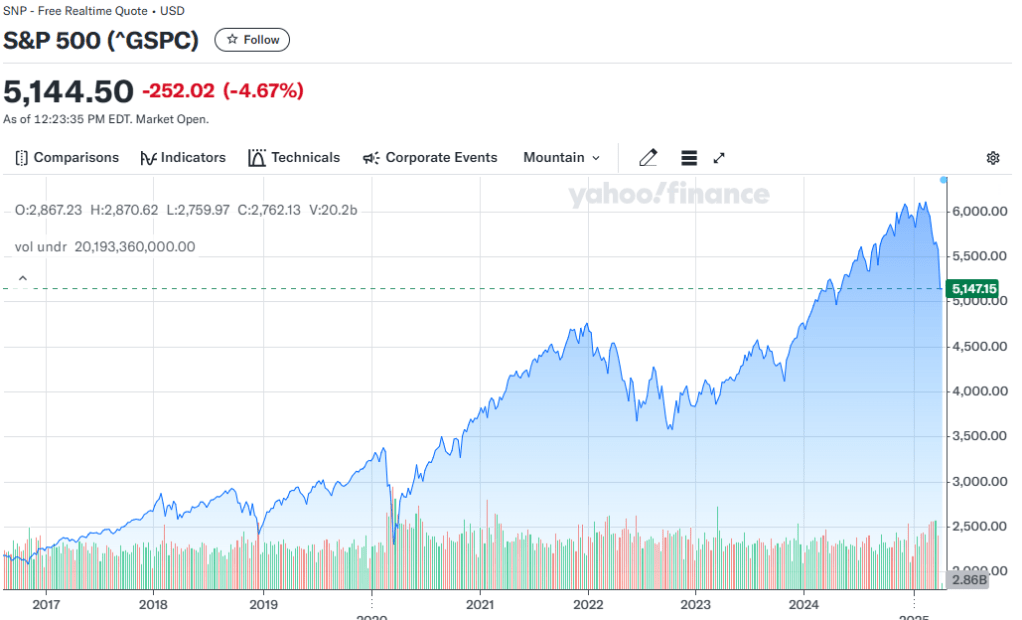
The author discusses the potential impacts of political policies on market growth, specifically under Trump’s presidency. They emphasize the importance of objective investment strategies, regardless of political bias, and highlight the effects of the 2017 Tax Cuts and Jobs Act on corporate earnings. Historical data suggests long-term investment yields significant returns despite market volatility.
-

Sick Chickens, Healthy Consumers
The article emphasizes that public opinion does not accurately reflect economic health, as it relies on data and financial indicators. High egg prices, often seen negatively, actually indicate consumer spending and economic strength. With 68% of the U.S. economy driven by consumer spending, strong corporate earnings result from continued consumer activity despite high prices.
-

Seasons of Patterns and Patterns of Seasons
The post discusses the concept of V-shaped patterns found in both markets and nature, particularly during March and April. While traditional wisdom cautions against predicting markets, the author emphasizes the importance of recognizing repeating patterns. Investors should view market downturns as opportunities rather than moments of panic, advocating for informed decision-making.
-

Avoid This Trap in the Dip
Value investing requires discernment, especially in distinguishing quality stocks from those that are merely low-priced. Many investors mistakenly view declining stock prices as opportunities without assessing underlying quality. Compounding growth is crucial, and investors should focus on stocks that generate growth now rather than waiting for future potential, as time directly impacts returns.
-

What Would Warren Buffet Do?
The content emphasizes the importance of learning from great minds, highlighting a poem by Rudyard Kipling that Warren Buffett referenced in his 2017 letter. The poem presents ideals of resilience, self-trust, patience, and humility, suggesting that mastering these traits leads to personal success.

