
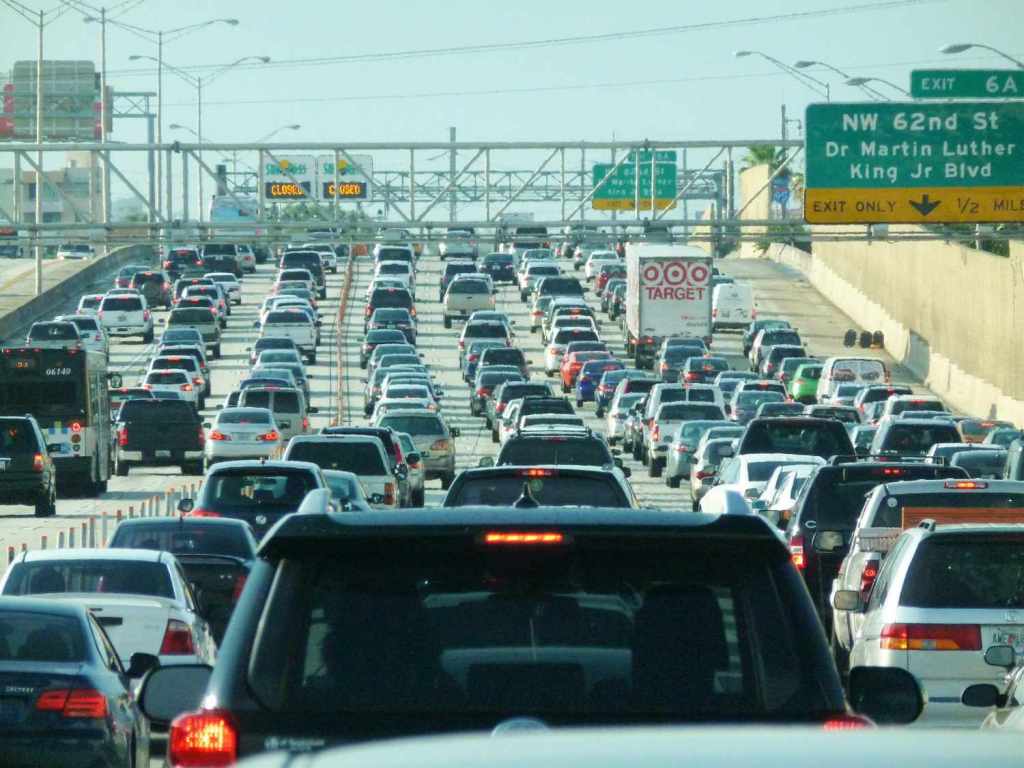
Allow me to paint two hypothetical pictures for you. One image is of a freeway in a major city at 5 PM on a weekday. It’s rush hour. I don’t really need to paint the picture; you can see it. Jammed-up traffic for as far as you can see. The 2nd picture is of that same freeway at 1 PM on a Saturday. It’s hard to say precisely what that one looks like. Perhaps the weather will be nice, and maybe everyone will want to go out and do something on their day off, which may culminate in an unexpected traffic jam on a Saturday afternoon. Maybe a semi-truck will jackknife and block all lanes. Maybe nothing will happen. Maybe everyone will choose to stay home, and the freeway will be empty. That’s a lot of maybes.
There’s no way to guarantee exactly what the freeway will look like on either of those days, but which one would you be comfortable placing a bet on? Would you take a bet on something that could possibly happen on the freeway on a Saturday at 1 PM? Or would you bet you can pretty reliably predict the traffic level on the freeway at 5 PM on a weekday?
This sums up fundamental stock analysis. Some market strategists like to say Fundamentals aren’t everything, and that’s true. Fundamentals aren’t everything, but they are enough. It is enough data to determine what is statistically and historically most likely to happen vs what we think could maybe happen. Anything could happen. A global pandemic could shut everything down and turn the freeway into a ghost town. But we use the tools we have to tell us what historically happens when the fundamentals of a stock are healthy and what historically happens when the fundamentals of a stock are not. And we use traffic apps to tell us the best route to take during rush hour.
Here is a tale of two stock charts. I removed the stock tickers out of fear of this being misinterpreted as a stock recommendation. My only recommendation is that you hire a financial advisor who understands and respects stock fundamentals or you learn it yourself.
The first chart shows a stock that has been very popular in recent years despite poor measures in its fundamental analysis. Popular sentiment has often driven the price of this stock up far beyond what it is worth, opening up frequent opportunities for the price to fall down to what it’s actually worth.
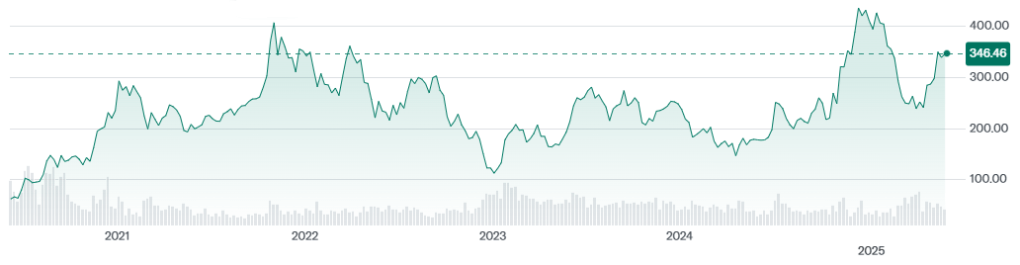
The second is a popular stock in recent years with excellent measurements in its fundamentals. The price of a stock can’t fall to what it’s worth if it’s already priced at what it’s worth.

Fundamentals help determine what a stock is worth and whether it’s priced at, above, or below what it’s worth and what it’s likely to be worth in the future. Stock one was dramatically overpriced in 2022, and three years later, it hasn’t grown its investors’ money. Stock two was priced fairly in 2022 and has since more than tripled its investors’ money. Fundamentals are not everything, but they are more valuable and reliable than any other data.



 Northshore Wealth Management